




















































Beauty brands live and die on two things: creative volume and the second purchase. We produce UGC-style and AI-generated ads at the pace trends actually move, keep every claim inside Meta’s policy lines so the account never stalls on rejections, and price acquisition against subscription LTV instead of the first order. Then the Klaviyo program brings customers back on their replenishment cycle. A human strategist runs it all — on your calls and in your Slack.
Both, deliberately. UGC and creator whitelisting carry the social proof beauty buyers need, while our AI creative engine multiplies every winning angle into statics, motion, and new hooks in days. The pipeline studies which ads actually drove sales in your account and the category, then iterates the winners — so creative volume keeps pace with TikTok-speed trend cycles without a studio invoice per asset.
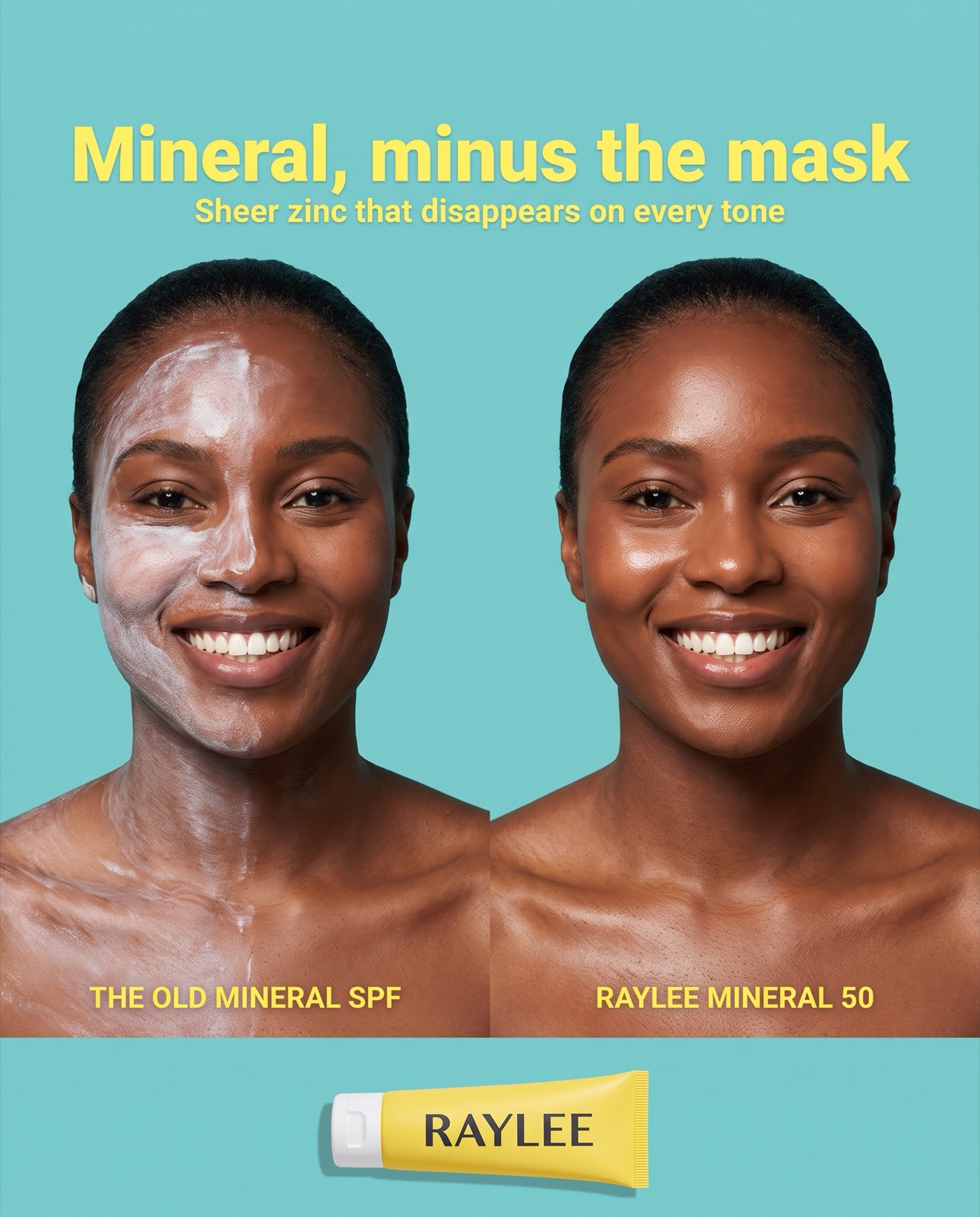
Beauty is a policy minefield: before/after imagery, ingredient efficacy claims, and personal-attribute language all trigger rejections or account flags. We write claims-safe creative from the start — benefit framing instead of medical promises, compliant before/after treatments, and substantiated ingredient stories — so campaigns scale without the stop-start of ad rejections.
Our management fee scales with ad spend and scope, and ad creative is included — statics, video, and weekly iterations that would cost thousands per asset at a studio. There is no long-term lock-in; every engagement starts with a free audit that shows exactly where the account is leaking money before you commit to anything.
Most beauty brands are discovery-led, so Meta usually opens: UGC and demonstration video build demand that search then captures. Google Shopping and brand defense follow once people search for you, and Klaviyo compounds it all — replenishment flows and subscription nudges are where beauty margins actually live. The free audit sets the sequence from your data, not a standard package.
Structural wins land fast — feed fixes, claims-safe rewrites of rejected ads, and flow fixes often move numbers in the first month. Compounding results take a full creative-testing rhythm: 60–90 days of weekly iterations for the engine to learn which angles your buyers reward. We report against store revenue from week one, so you see the trajectory — not a vanity dashboard.
Paid social, Google, and email — the full beauty digital marketing stack. On the paid side we operate as a beauty advertising agency on Meta, where beauty converts hardest, and as a beauty PPC agency on Google for Search, Shopping, and brand defense. Klaviyo carries replenishment and retention behind both.