





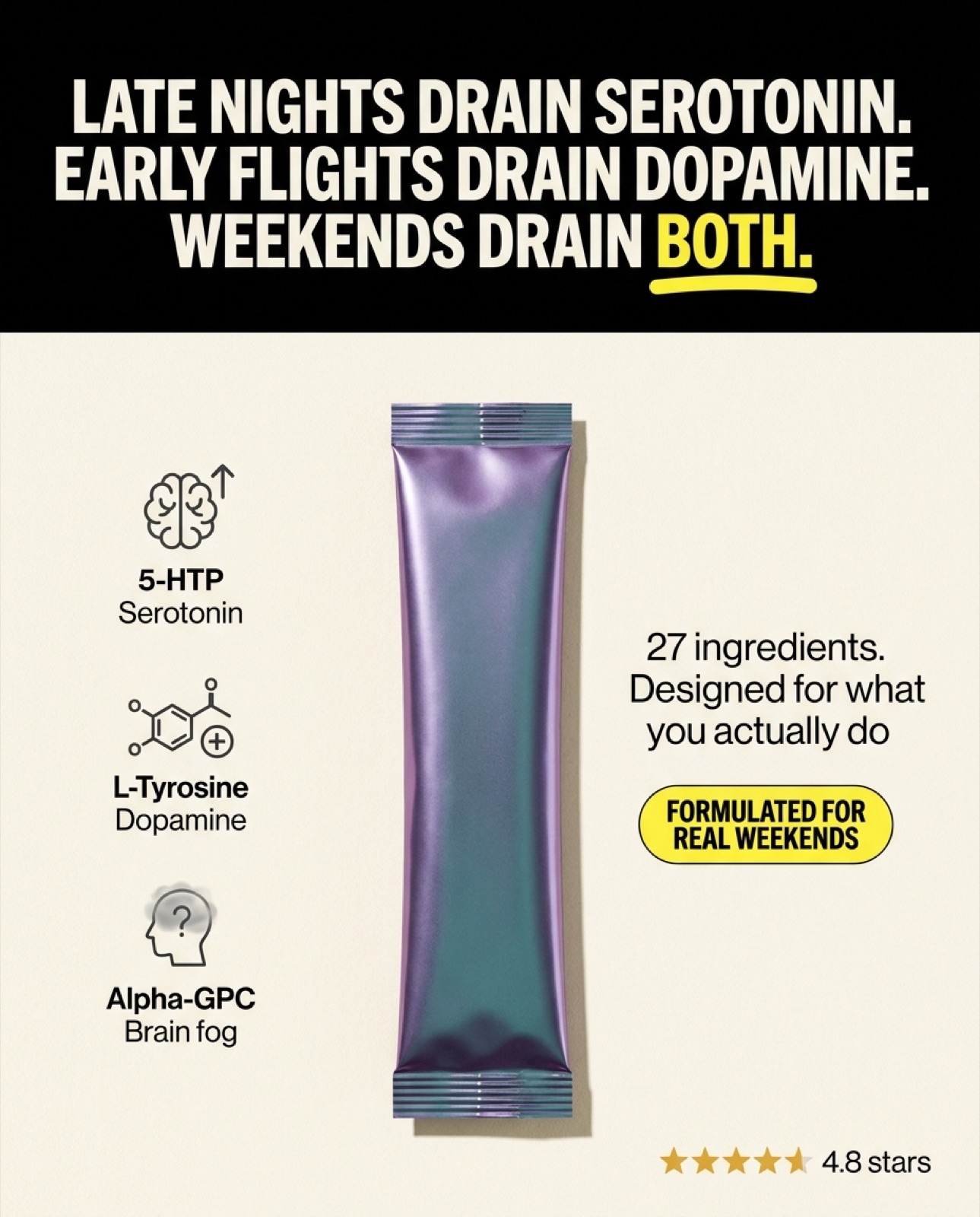
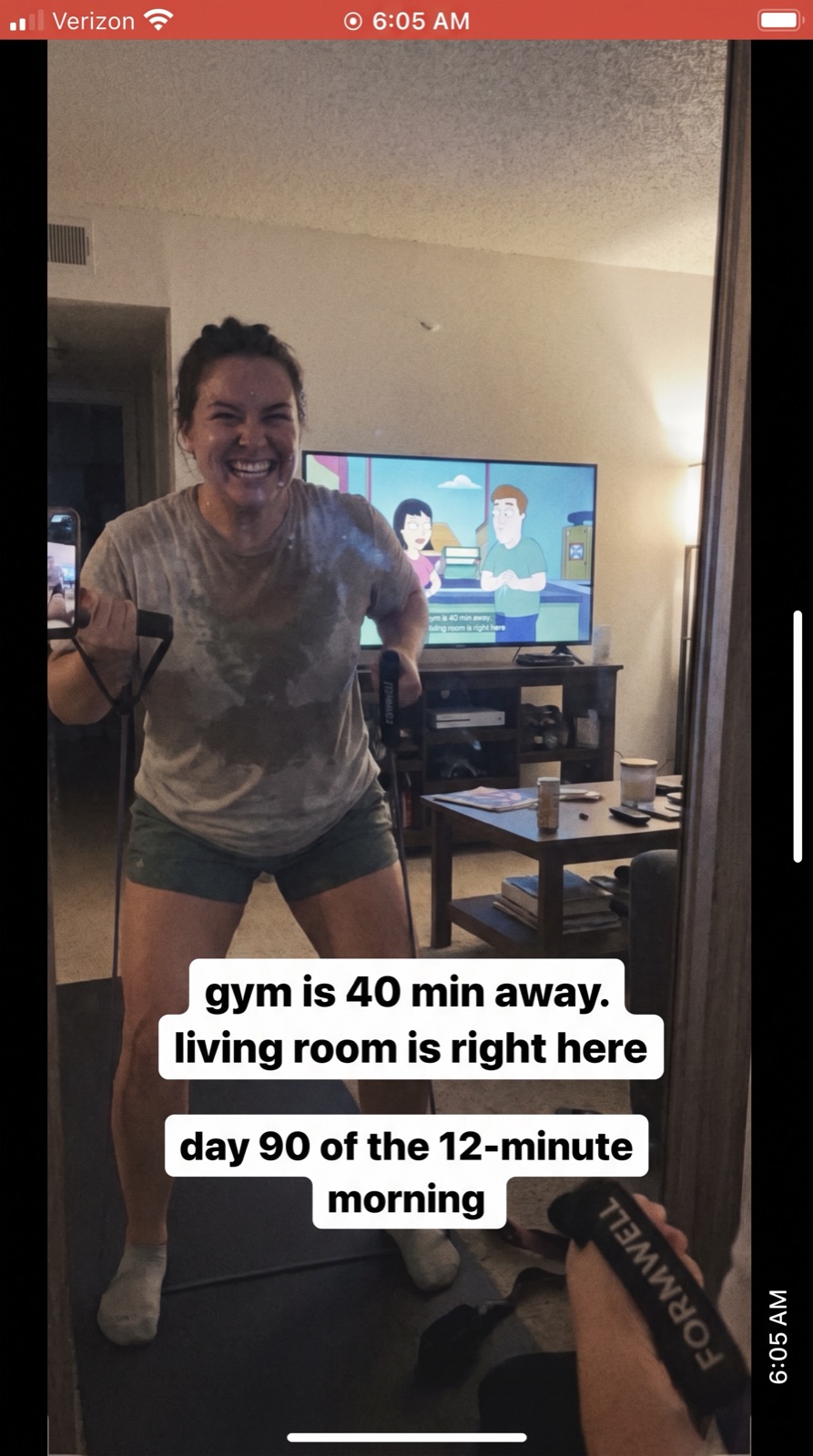

















































In wellness, the first job is keeping your ad account alive — health claims get accounts flagged every day. We write claims-safe creative from the first draft, build funnels with the proof skeptical buyers need before they’ll swallow anything, and price acquisition against subscription LTV, because the reorder is where supplement economics actually work. Where restricted tracking hides your data, we measure on blended store revenue instead. AI surfaces the signals; a human strategist decides what to do with them.
Supplement marketing fails when creative promises outcomes the platforms prohibit — cure language, disease claims, unrealistic transformation framing. We build campaigns on structure/function framing, substantiated ingredient stories, and lifestyle outcomes, pre-checked against Meta and Google health policies. The result is an ad account that scales for months instead of cycling through rejections and appeals.
It is creative engineered inside the health-claims rules from the first draft — not sanitized after a rejection. Every hook, testimonial, and before/after treatment is written to comply with platform policy while still selling. In wellness this is the difference between compounding an account for a year and rebuilding a banned one from scratch.
Wellness economics run on the reorder: a supplement customer who subscribes is worth multiples of a one-time buyer. We price acquisition against cohort LTV rather than first-order ROAS, then build the Klaviyo program around usage cycles — replenishment reminders, subscription save flows, and education sequences that keep people using the product, which is what actually keeps them paying.
Wellness buyers need proof before they purchase, so the sequence usually opens on Meta with trust-heavy creative — expert voices, reviews, mechanism explainers. Google captures the demand that research creates ("best magnesium for sleep" style searches), and Klaviyo compounds it through subscriptions. The free audit sets your exact sequence from the account data, not a template.
Sensitive-category limits can strip pixel data exactly where wellness brands need it. We measure on incremental lift and blended store revenue — what Shopify actually collected against what was spent — rather than trusting platform-attributed conversions that restricted tracking undercounts. Decisions stay grounded even when the pixel goes quiet.
Full scope. The work of a health and wellness digital marketing agency here spans claims-safe paid ads on Meta and Google, creative production, and Klaviyo retention. Where a health and wellness advertising agency stops at media buying, this engagement includes the offers, landing pages, and email that make the media pay.