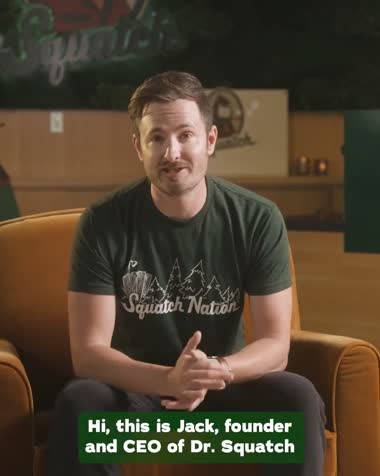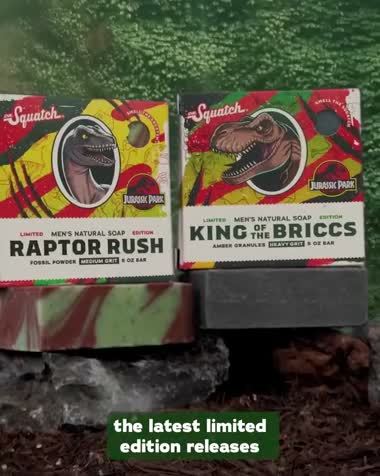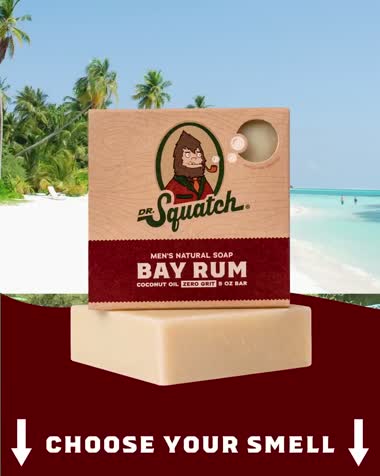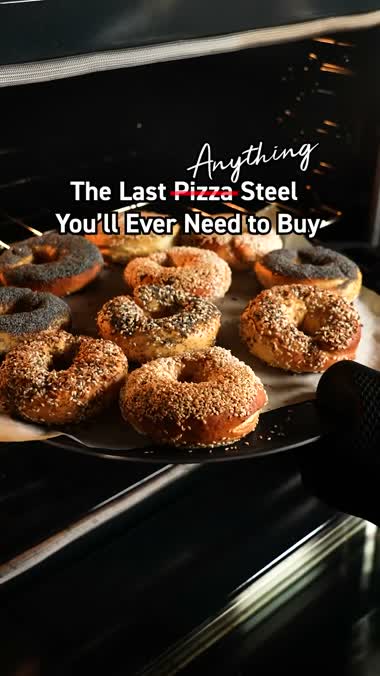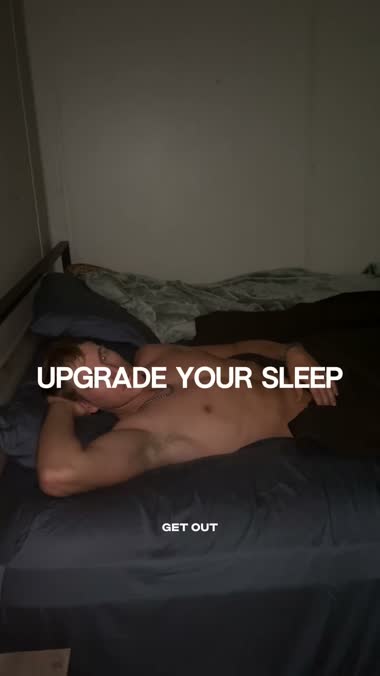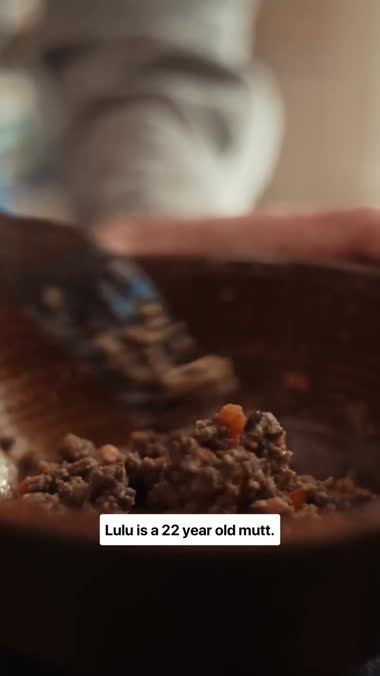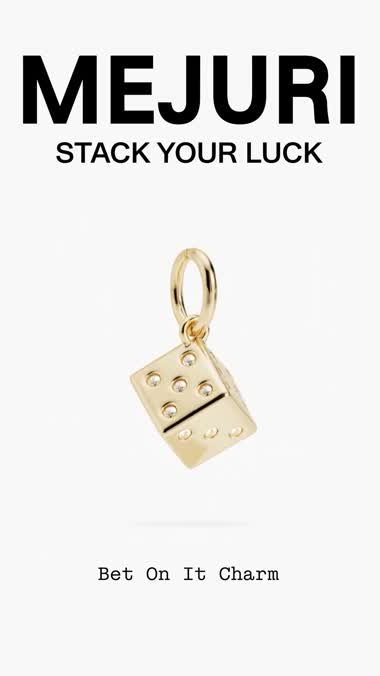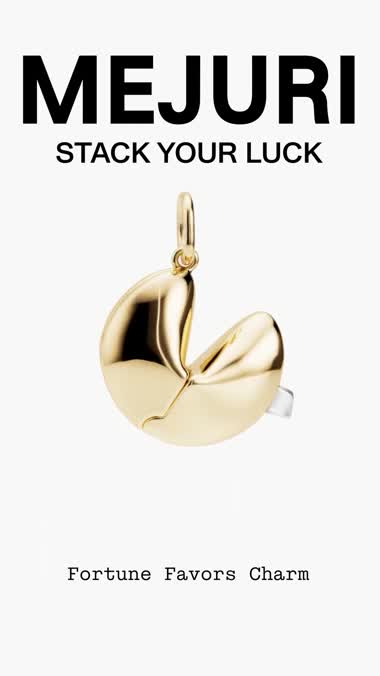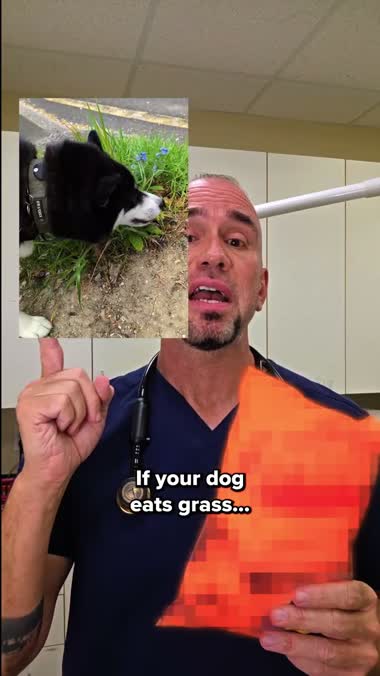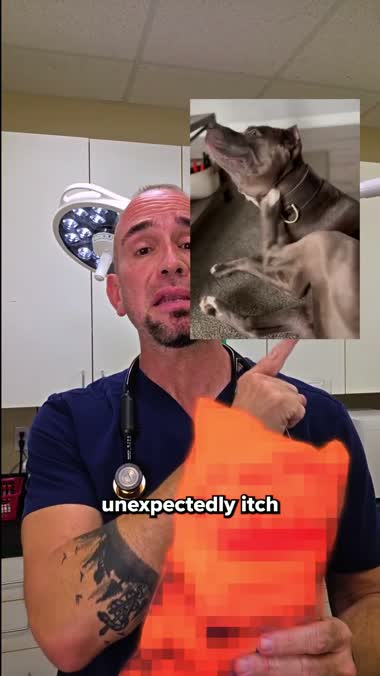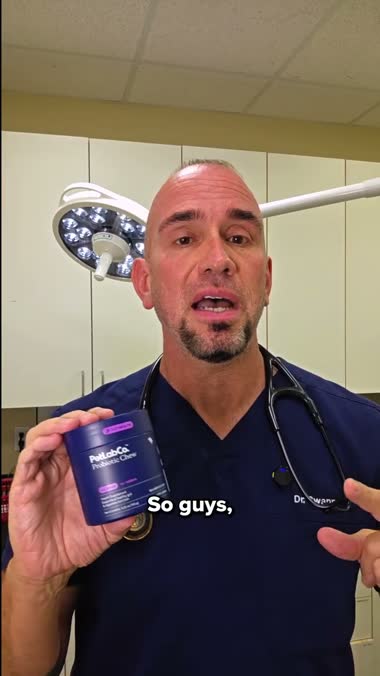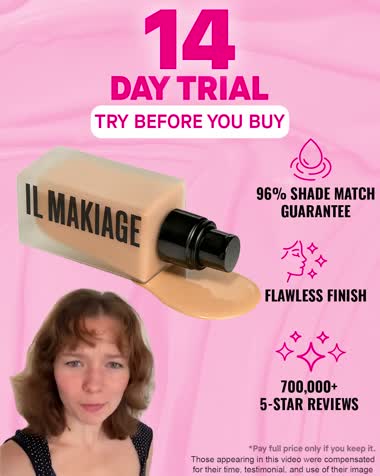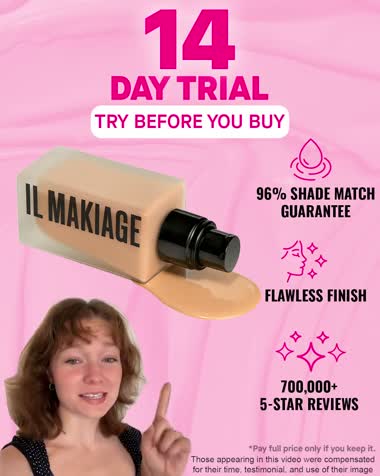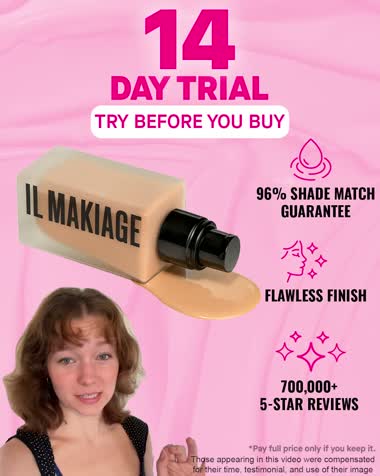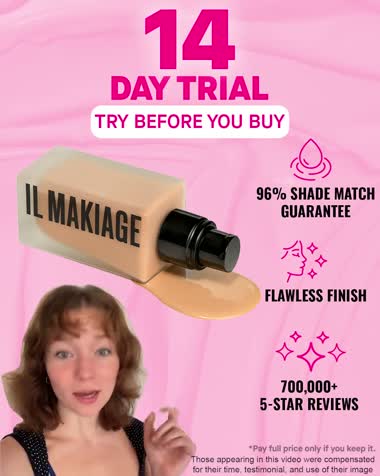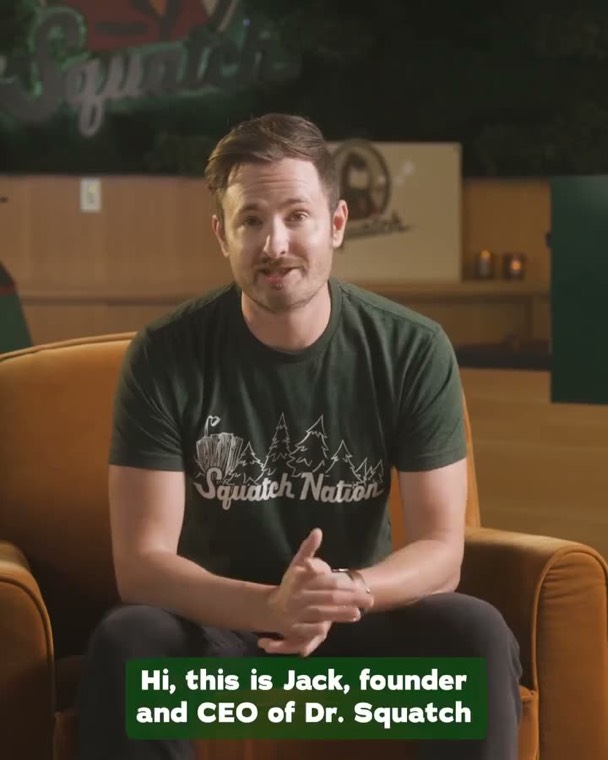
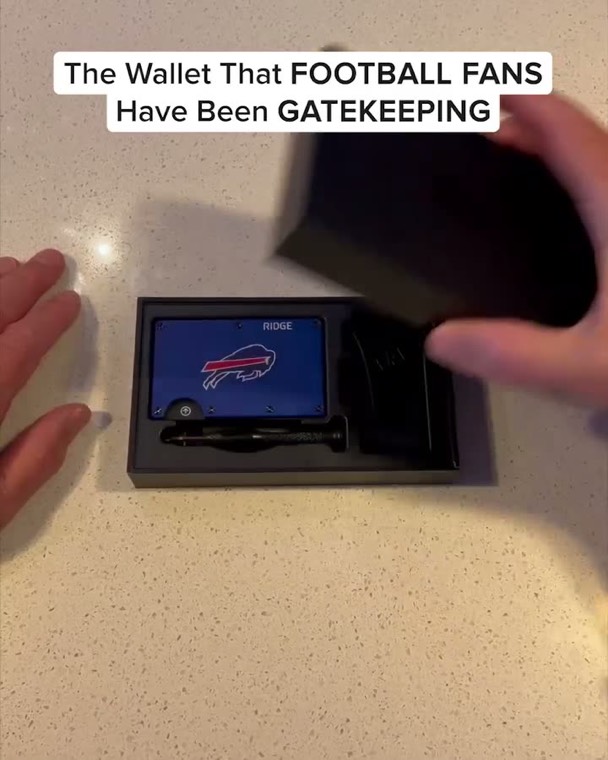

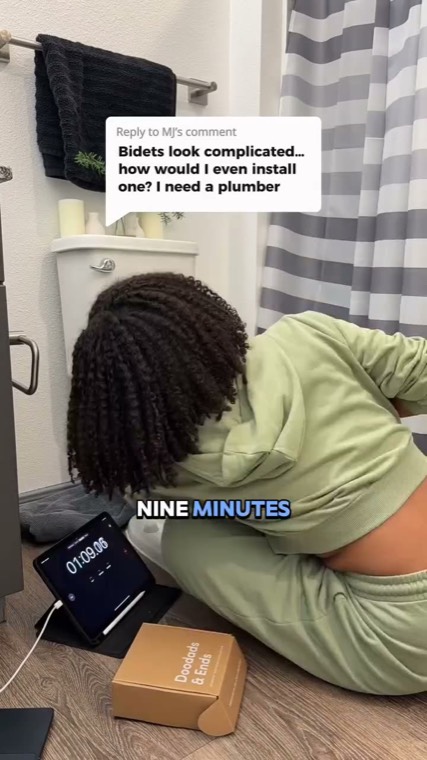





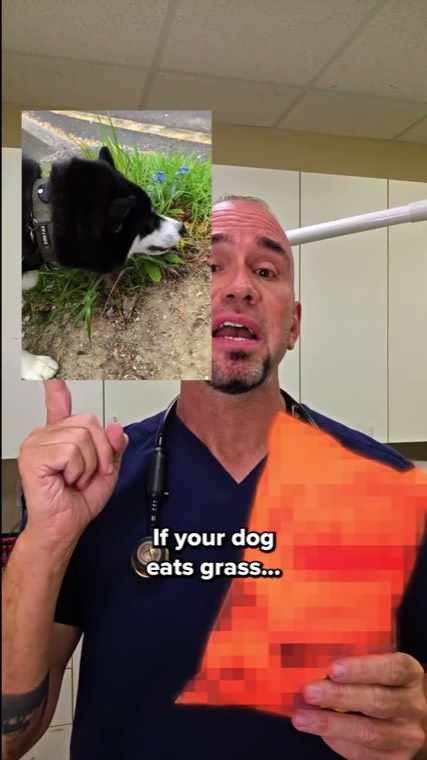
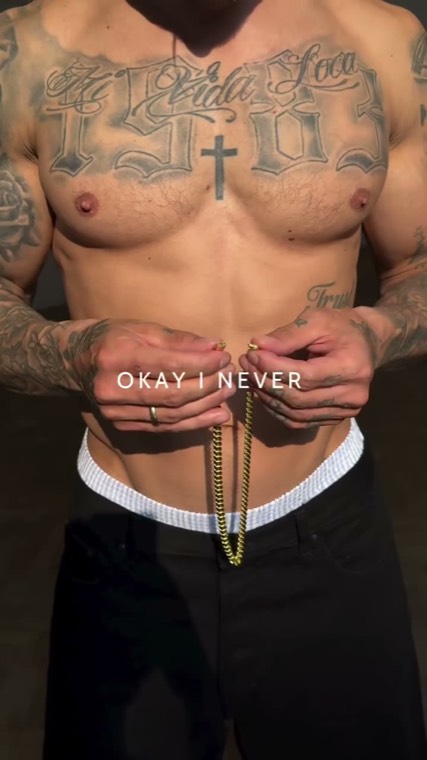
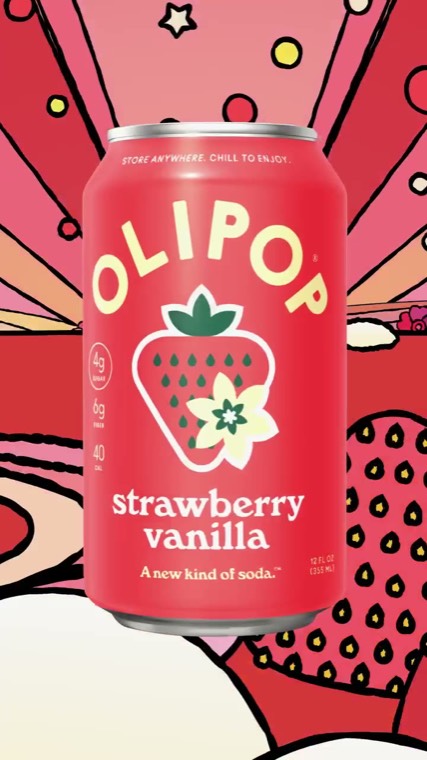

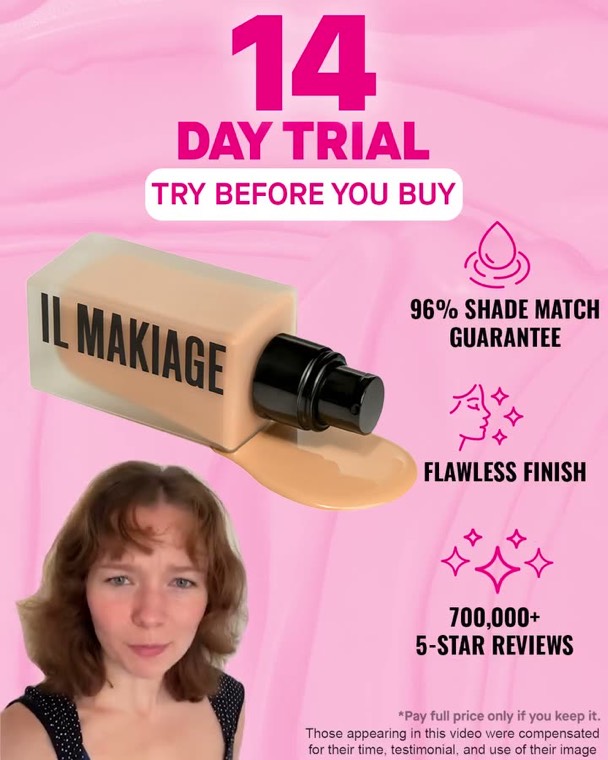
Facebook Ad Examples

Uncover the psychology behind the longest-running Facebook ads.

The Method

How These Facebook Ad Examples Are Broken Down

Most Facebook ad examples you find online are just screenshots — a slick image, a one-line caption, and nothing about whether the ad ever made a dollar. When you save one to a swipe file, you’re guessing about why it worked, because the number that actually matters is missing: did the ad run long enough to stay profitable, or did it get switched off in a week?

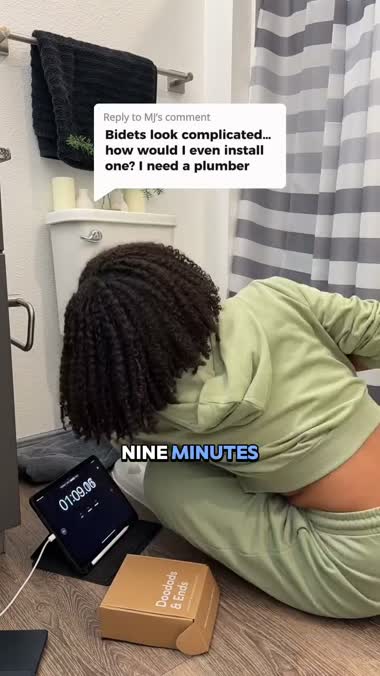
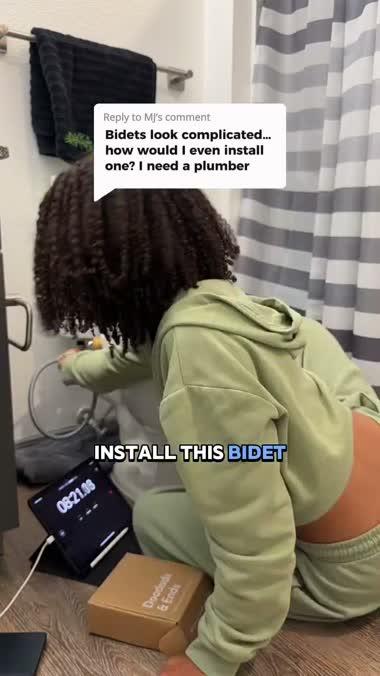
That gap is what this page fills. Every entry above is a real winning ad with its actual run-time from Meta’s Ad Library. A Facebook ad that’s been running 14 months isn’t lucky — it’s profitable. Most “best Facebook ads” roundups can’t tell you that, because they never had the account open. And every breakdown on this page runs on the same method — learn it once and you can read any ad in your feed, including your own.

Start with the one question the screenshots skip: is it profitable? Every meta ad example on this page comes from Meta’s own Ad Library, which shows you how long an ad has been running. That single fact is the most honest performance metric you can get from the outside. Brands kill ads that lose money. So an ad that’s been live for months, or a year, has almost certainly cleared its ROAS floor and kept clearing it. Run-time is where I start. One honest caveat: run-time is a strong signal, not a guarantee — a big brand can leave a mediocre ad running on brand budget. Treat a long run as strong evidence, then confirm it with the creative logic below.

ROAS is a lagging indicator. Read the leading ones instead. You can’t fix ROAS directly — it’s the score at the end. What you can control are the four leading indicators that feed it, one per part of the ad.

Ad part (on a ~35–45s video)What it doesLeading metricHow it’s measured
Hook (first 3 seconds)Pattern interrupt. Stops the scroll.Hook Rate3-second video plays ÷ impressions
Problem + demonstration (3–15s)Names one problem, shows one fixHold RateThruPlays ÷ 3-second video plays
Features that enable the benefitsEarns belief with specificsAvg. Watch Timetotal watch time ÷ total video plays
Social proof + risk reversal + CTAConverts the intentClick-Through Rateclicks ÷ impressions × 100

What a good hook actually does to the numbers. Across the accounts I run, a strong hook stops the scroll on roughly 1 in 3 to 1 in 4 paid impressions — a ~25–35% hook rate. After the 5-second mark, 75–90% of viewers are already gone. That drop-off is the whole reason the first frame has to carry the product, the brand, and the promise. Then I walk the anatomy in order — pattern interrupt, one problem, one demonstration, features that enable the benefit, the bold claim, social proof and risk reversal, one CTA — rate the ad, name the one thing I’d change, and pull out the transferable lesson. Two rules worth stealing: some of the best hooks are just a verified customer review read out loud, and your competitors’ one-star reviews are your next hooks. And the framework isn’t video-only — the same creative ad examples logic works on statics: hook becomes headline, demonstration becomes the visual, CTA stays the CTA.

This is the exact process I use to read every client’s account. See how it becomes a done-for-you performance creative engine, browse the ad styles we produce with AI — or if you’re already running Meta, see the Facebook ads agency for DTC brands. Want to see what performance creative would do for your own brand? Book a free creative strategy call.

FAQ

Facebook Ad Examples — FAQ

A good Facebook ad does one job at each stage of the view. The hook stops the scroll (aim for a hook rate near 25–35%, roughly 1 in 3–4 impressions). It names one problem and shows one demonstration, not five. It earns belief with specific features, not adjectives. Then it proves the claim and asks for one action. ROAS is the result of getting those parts right, not something you optimize directly.

Start in Meta's Ad Library and sort by how long an ad has been running. Length is the most honest signal you can get from the outside, because brands turn off ads that lose money. An ad that's been live for months has almost certainly stayed profitable. From there, judge the creative on the framework above. If you'd rather learn from ads that are already broken down for you, that's this page. And for picking a team to make ads like these, see our roundup of the best creative agencies for eCommerce.

A Facebook ad breakdown is a part-by-part teardown of a real ad: the hook, the problem, the demonstration, the proof, and the CTA, scored against the metrics that predict performance (hook rate, hold rate, watch time, CTR). On this page each breakdown adds the piece most reviews leave out: the ad's real run-time from Meta's Ad Library, so you can see it's a genuine evergreen winner and not a screenshot someone liked.

As long as it stays profitable. That's the point. There's no fixed expiry. A strong ad can run for a year or more before creative fatigue sets in, and the ones that do are the real winners worth studying. Accounts spending $250K+/month have held ~4x ROAS by letting proven ads keep running while fresh creative feeds in behind them. When an ad's run-time is long, that's the account telling you it still works.
Right here — and the method matters more than the list. Most "best Facebook ads" roundups are screenshots someone liked. This gallery is built the opposite way: every ad on this page is verified evergreen through Meta's Ad Library run-time — the current record is a founder ad that's been running for over 30 months — and each one gets a full part-by-part breakdown. It's updated as new long-runners earn their place, so the count at the top keeps climbing through 2026.


See what performance creative would do for your brand with a free Creative Strategy Call

Please enter your first name
Please enter your last name
Please enter a valid email address
Please enter your phone number
Please enter your company name
Please make a selection
Please enter a valid website URL

We won't send you spam. Unsubscribe at any time.